Better Questions, Better Leaders
One of the earliest lessons we learned about computers was “garbage in, garbage out”: the quality of the data determines the quality of the output. That lesson taught business leaders to keep looking for more—and better—data. When I worked in a Fortune 100 company, getting information meant filling out a request for the data team […]
From Spot-Checks to Full Visibility

Imagine starting your day knowing exactly where your attention is needed. Not because someone walked into your office. Not because a customer complained. Not because you happened to spot a mistake. Because the systems you use have already identified the situations that require your judgment. For generations, leaders have done something that made perfect sense. […]
Deep Work Needs Recovery
Imagine your company successfully implements AI. Routine work that once filled most of the day now takes only a fraction of the time. Congratulations! Now the hard part begins. Many leaders assume the newly available time should simply be filled with more thinking, more creativity, more strategy, and more problem-solving. The reality is more complicated. […]
Where Should the Capacity Go?
In the first article in this series, I suggested that business owners stop asking only how many jobs AI might replace and start asking a different question: What capacity will AI create? That question matters because AI can reduce the time required for routine work dramatically. A task that once took several hours may take […]
AI Creates Capacity
When most people talk about artificial intelligence, the conversation usually starts with fear. Those are understandable questions. But I think they’re the wrong place to start. Instead of asking, “What jobs will AI replace?” I think business owners should be asking a different question: “What capacity will AI create?” That shift in thinking changes everything. […]
Your Employees Aren’t Slow. They May Just Not Have Your System.

Most people know I’m not the biggest morning person. If I have to be somewhere—especially early—I want to get out of bed at the very last possible moment and still arrive on time. And I’m definitely not one of those people who rolls out of bed instantly awake and ready to tackle the day. It […]
Stop Copying Compensation Plans. Start Designing Them.

In the first article in this series, we looked at where today’s compensation systems came from. They weren’t created because someone discovered the perfect way to pay employees. They were designed to solve specific business problems. In the second article, we looked at compensation systems as measurement systems. Hourly pay measures time. Salary measures ownership […]
What Are You Really Measuring?
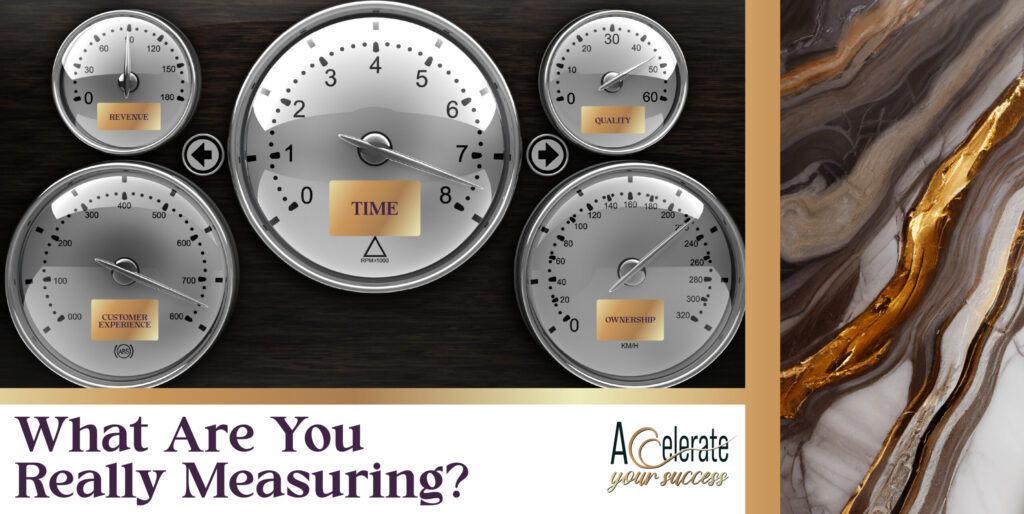
Last week, we looked at how today’s compensation systems evolved. Hourly pay wasn’t invented because it was the perfect way to compensate employees. It was created because factories needed people in the building at specific times. That raises an important question. If different compensation systems were designed to solve different problems, how do you know […]
Why Are We Still Paying People Like It’s 1926?
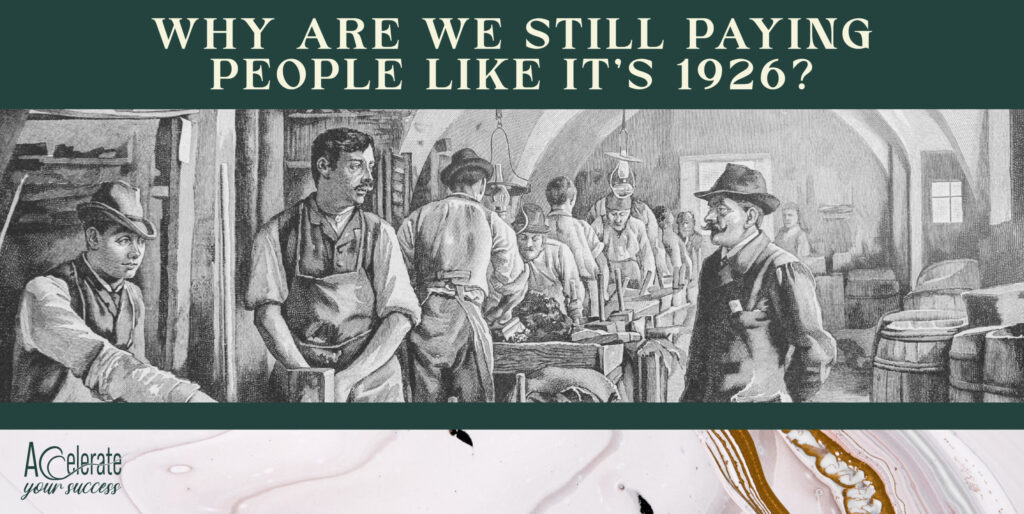
If you ask ten business owners how employees should be paid, you’ll usually hear one of two answers. “They should be hourly.” “They should be salary.” It’s often presented as though one of those options is the “right” way to pay people. But here’s the problem: Neither one was designed to be the perfect solution […]
When Your Clients Stop Asking You First

Recently, I spent two months operating at about 20% capacity. A medical issue. A medication that made me feel awful. A doctor who kept saying, “It’s not ideal, but give it another two months.” This isn’t a criticism of my doctor. It’s a description of the system. In our current medical model, appointments are short. […]