Last week, we looked at how today’s compensation systems evolved. Hourly pay wasn’t invented because it was the perfect way to compensate employees. It was created because factories needed people in the building at specific times.
That raises an important question. If different compensation systems were designed to solve different problems, how do you know which one is right for your business?
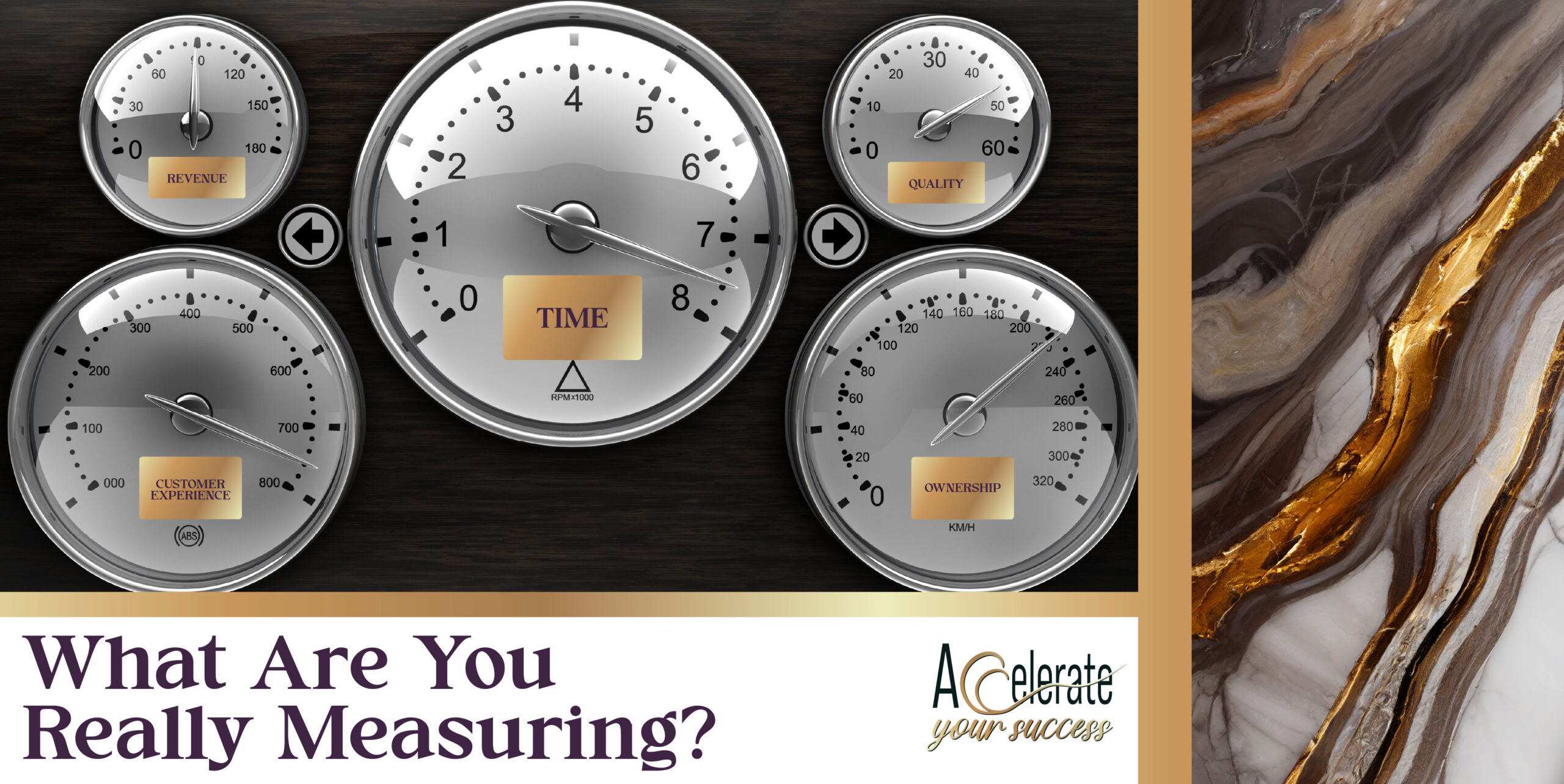
Start by deciding what are you trying to measure. Every compensation system is really a measurement system. It communicates what matters most in a particular role. Once you understand what each system measures well—and where it falls short—you can make much better decisions.
Hourly Pay Measures Time
When you pay someone by the hour, you’re measuring time.
That makes perfect sense when being available is part of the job.
A manufacturing plant needs machine operators on the production line for every shift. An HVAC company can’t promise a customer a 1:00 p.m. appointment and have the technician decide to show up at noon because they worked faster somewhere else. A medical office needs someone to welcome patients during business hours.
In each of these situations, being present is part of the value the employee provides. The strength of hourly pay is that it aligns compensation with availability.
The limitation is that it doesn’t necessarily measure productivity. There is little incentive to work effectively if you receive the same pay for doing a job quickly or taking your time. That’s not a flaw in the system. It’s simply measuring something different.
Salary Measures Ownership
Salary shifts the focus away from hours worked and toward responsibility for a role.
Instead of asking, “How many hours were you here?” the question becomes, “Did you own the responsibilities of this position?”
For managers, accountants, engineers, project managers, and many professional roles, that’s often a much better fit. Some weeks require forty hours. Others require fifty. Occasionally, they require thirty.
The work isn’t measured by time alone.
The challenge comes when businesses lose sight of what salary is supposed to measure.
If responsibilities continue to grow while compensation stays the same, employees eventually stop feeling like they’re being paid to own a role and start feeling like they’re being expected to absorb an unlimited workload.
The issue isn’t salary itself. It’s a mismatch between what is being measured and what is being expected.
Commission Measures Revenue
Commission measures sales results. If increasing revenue is the primary goal of the role, commission can be extremely effective because it creates a direct relationship between performance and compensation.
But every measurement system influences behavior.
Someone paid only on commission may focus on closing today’s sale instead of building a customer relationship that lasts for years. They may avoid helping teammates because helping someone else doesn’t improve their own results.
That’s why many organizations combine commission with a base salary or other performance measures.
They’re measuring more than one thing.
Flat-Rate Pay Measures Efficiency
One compensation system many business owners overlook is flat-rate pay.
Auto repair shops often use industry labor guides that estimate how long a repair should take. Replacing a water pump, for example, may be assigned four hours of labor. An experienced technician who completes the repair in three hours is still paid for four.
The measurement isn’t time. It’s successfully completing the work.
This system recognizes that experience and skill often allow someone to produce the same result in less time. It also encourages quality because many shops don’t pay technicians to redo repairs that come back due to mistakes.
Flat-rate systems work well when work can be standardized. They’re much harder to apply when every project is unique.
Bonuses Measure Priorities
Bonuses aren’t a compensation system by themselves.
They’re a way of adding additional measurements:
- Sales
- Customer satisfaction
- Safety
- Attendance
- Quality
- Profitability
- Team performance
The important question isn’t whether to offer bonuses.
The important question is whether you’re measuring the things that actually matter.
Every Measurement System Has Tradeoffs
Business owners often spend a lot of time trying to find the “best” compensation system. There isn’t one. Every system measures something well while measuring something else poorly.
A receptionist, machinist, electrician, website designer, project manager, and salesperson all create value differently. It shouldn’t surprise us that they may also need different ways of measuring performance.
In fact, many businesses discover that one measurement system isn’t enough.
Next week, we’ll look at organizations that have stopped asking whether a position should be hourly or salary and started combining compensation models to create systems that fit the work they’re asking people to do.